How Tweeny Used Microservices to Scale HPS Wellness

How Tweeny helped modernize the platform architecture, improve service-level scalability and optimize infrastructure costs.

Tweeny
•
June 13, 2018
•
This is some text inside of a div block.
Why HPS Wellness needed a more flexible architecture

HPS (Health Positioning System) Wellness is an India-based health-tech product designed to help people understand their current health co-ordinates and move towards becoming the best version of themselves. It does this through personalized, holistic recommendations delivered throughout the day. The product serves users in India and Singapore.

As HPS Wellness grew to support its recommendation experience and multiple corporate and clinic customers, its original monolithic Java application became harder to maintain. Changes across the application increased the effort required to debug, test and release updates, slowing the product team's ability to deliver improvements.

Tweeny Technologies leads product development for HPS Wellness. To address the growing complexity, the team adopted a microservices approach, separating key capabilities such as Single Sign-On (SSO), CMS, ProxyApp and other internal modules into independently manageable services.

Chapter - 1

Moving beyond a monolithic Java application

As HPS Wellness evolved, its monolithic Java application made updates harder to manage and release.

Why HPS Wellness needed a more flexible architecture

HPS (Health Positioning System) Wellness is an India-based health-tech product designed to help people understand their current health co-ordinates and move towards becoming the best version of themselves. It does this through personalized, holistic recommendations delivered throughout the day. The product serves users in India and Singapore.

As HPS Wellness grew to support its recommendation experience and multiple corporate and clinic customers, its original monolithic Java application became harder to maintain. Changes across the application increased the effort required to debug, test and release updates, slowing the product team's ability to deliver improvements.

Tweeny Technologies leads product development for HPS Wellness. To address the growing complexity, the team adopted a microservices approach, separating key capabilities such as Single Sign-On (SSO), CMS, ProxyApp and other internal modules into independently manageable services.

Moving beyond a monolithic Java application

One application, growing complexity

HPS Wellness gathers information through questionnaires in its app. The collected data helps determine a user's health co-ordinates, which inform health reports and personalized recommendations. As the product and its customer base expanded, the application needed to support more workflows and customer requirements.

The original monolithic Java architecture kept major application capabilities closely connected. Over time, this made maintenance more difficult and increased the effort involved in debugging, testing and managing builds. It also affected release frequency: changes that should have been isolated could require broader application work.

The product challenge

The HPS product development team needed a more robust way to manage multiple corporate customers and clinic customers while keeping the system user-friendly and high-performing. The architecture needed to make updates easier to manage and provide room to scale individual capabilities as demand changed.

The challenge was not simply to split code into smaller pieces. It was to create clearer boundaries around key product capabilities so the team could make changes with less impact on the rest of the application.

How Tweeny introduced microservices for HPS Wellness

Breaking out key capabilities

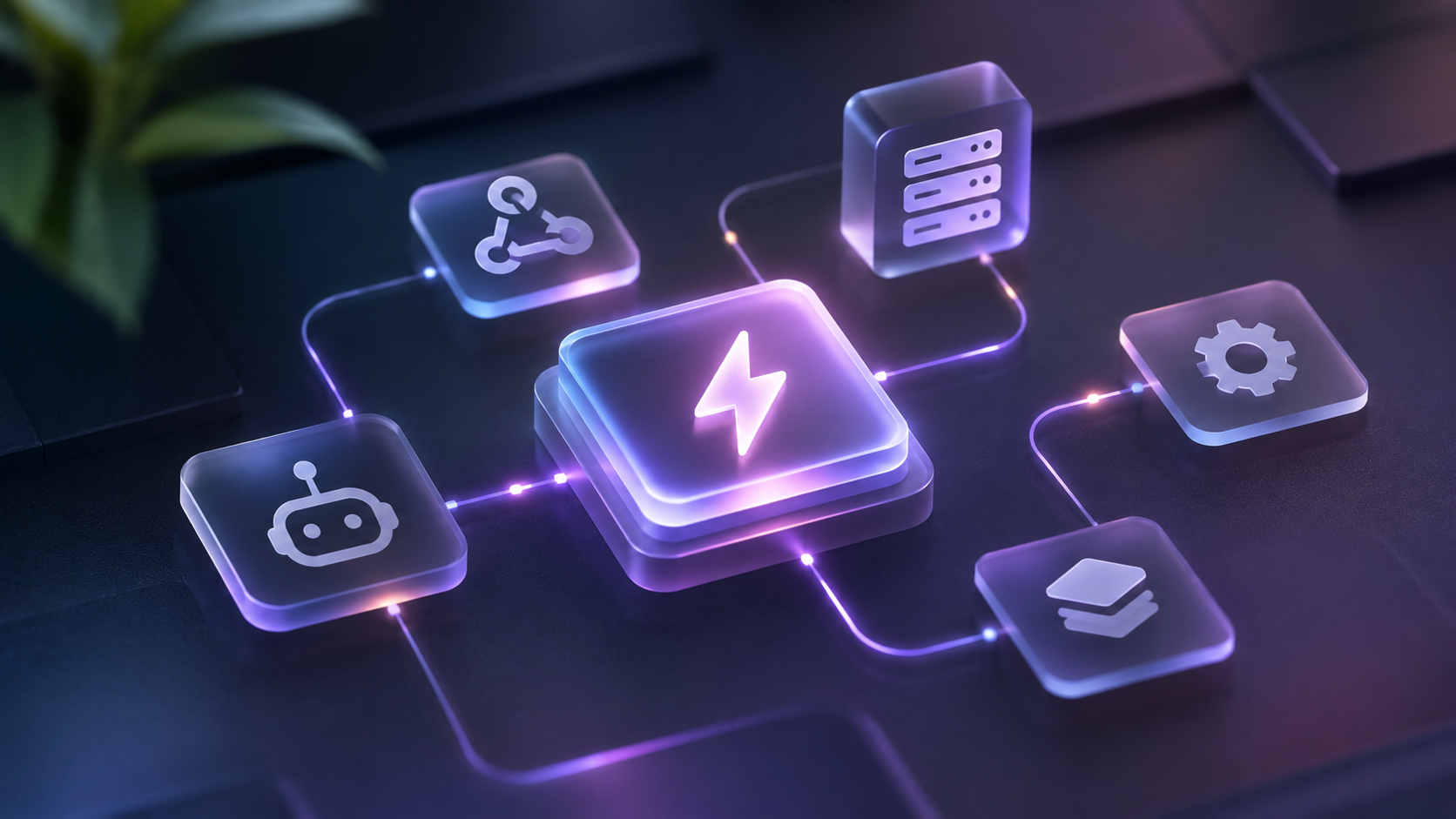
Tweeny developed microservices for Single Sign-On (SSO), the Content Management System (CMS), ProxyApp and other internal modules. This moved important capabilities into more clearly separated components instead of keeping every responsibility tied to one monolithic application.

With these boundaries in place, teams could manage updates and changes more consistently. A change to one service could be developed and tested with a more focused scope, reducing unnecessary work across unrelated parts of the product.

Scaling a service independently

Consider the SSO service. If one SSO instance is not sufficient to handle a workload of 10,000 logins per month, additional instances can be replicated with minimal configuration changes. The team can scale the authentication capability without having to replicate the entire application.

Keeping code separate from configuration

Separating application code from environment-specific configuration helps teams make deployment and infrastructure changes without embedding those changes into the codebase. This supports more consistent builds and makes services easier to manage across environments.

What changed for the development team?

  • More focused debugging and testing for individual services.
  • Less coordination when making changes to independent capabilities.
  • More targeted scaling when a specific service needs additional capacity.
  • Improved consistency in managing product updates and changes.
  • A shorter, more manageable build and release cycle.

Controlling infrastructure costs with AWS Reserved Instances

Optimizing running workloads

Alongside the application architecture changes, Tweeny reviewed the infrastructure costs associated with running HPS Wellness. For the workloads running on Amazon EC2 and Amazon RDS, the team applied Reserved Instance benefits where appropriate.

Compared with On-Demand pricing, this approach delivered savings of up to 58% for the covered workloads, based on the reported project outcome. Actual savings depend on instance type, region, term, utilization and the pricing commitment selected.

Balancing scalability and cost

Microservices make it possible to scale a specific capability when demand requires it. Infrastructure planning complements that flexibility: teams can match capacity and purchasing choices to the workload rather than treating the entire application as one scaling unit.

A more manageable foundation for product evolution

For HPS Wellness, moving key capabilities out of a monolithic Java application helped create a more manageable approach to product development. By introducing microservices for SSO, CMS, ProxyApp and internal modules, Tweeny helped improve the consistency of updates, make service-level scaling more practical and reduce the effort involved in debugging, testing and managing builds.

Infrastructure cost optimization added another dimension to the work. Applying Reserved Instance benefits to eligible EC2 and RDS workloads helped reduce costs by up to 58% compared with On-Demand pricing.

The broader lesson is that architecture should evolve with the product. Separating the right capabilities—not splitting everything indiscriminately—can help a growing platform release changes more efficiently while keeping scalability and operating costs in view.

CHapter_1_image
Chapter - 2

How Tweeny introduced microservices for HPS Wellness

Tweeny separated key capabilities into services to improve maintainability and product delivery.

Breaking out key capabilities

Tweeny developed microservices for Single Sign-On (SSO), the Content Management System (CMS), ProxyApp and other internal modules. This moved important capabilities into more clearly separated components instead of keeping every responsibility tied to one monolithic application.

With these boundaries in place, teams could manage updates and changes more consistently. A change to one service could be developed and tested with a more focused scope, reducing unnecessary work across unrelated parts of the product.

Scaling a service independently

Consider the SSO service. If one SSO instance is not sufficient to handle a workload of 10,000 logins per month, additional instances can be replicated with minimal configuration changes. The team can scale the authentication capability without having to replicate the entire application.

Keeping code separate from configuration

Separating application code from environment-specific configuration helps teams make deployment and infrastructure changes without embedding those changes into the codebase. This supports more consistent builds and makes services easier to manage across environments.

What changed for the development team?

  • More focused debugging and testing for individual services.
  • Less coordination when making changes to independent capabilities.
  • More targeted scaling when a specific service needs additional capacity.
  • Improved consistency in managing product updates and changes.
  • A shorter, more manageable build and release cycle.
Chapter_2_image
Chapter - 3

Controlling infrastructure costs with AWS Reserved Instances

Reserved Instances helped optimize the cost of HPS Wellness EC2 and RDS workloads.

Optimizing running workloads

Alongside the application architecture changes, Tweeny reviewed the infrastructure costs associated with running HPS Wellness. For the workloads running on Amazon EC2 and Amazon RDS, the team applied Reserved Instance benefits where appropriate.

Compared with On-Demand pricing, this approach delivered savings of up to 58% for the covered workloads, based on the reported project outcome. Actual savings depend on instance type, region, term, utilization and the pricing commitment selected.

Balancing scalability and cost

Microservices make it possible to scale a specific capability when demand requires it. Infrastructure planning complements that flexibility: teams can match capacity and purchasing choices to the workload rather than treating the entire application as one scaling unit.

Chapter_3_image
Final Thought

A more manageable foundation for product evolution

For HPS Wellness, moving key capabilities out of a monolithic Java application helped create a more manageable approach to product development. By introducing microservices for SSO, CMS, ProxyApp and internal modules, Tweeny helped improve the consistency of updates, make service-level scaling more practical and reduce the effort involved in debugging, testing and managing builds.

Infrastructure cost optimization added another dimension to the work. Applying Reserved Instance benefits to eligible EC2 and RDS workloads helped reduce costs by up to 58% compared with On-Demand pricing.

The broader lesson is that architecture should evolve with the product. Separating the right capabilities—not splitting everything indiscriminately—can help a growing platform release changes more efficiently while keeping scalability and operating costs in view.

Need a Custom AI Agent for
Your Sector?

We design and deploy custom AI agents around your business workflows, data, systems, and industry requirements. From enterprise automation to domain-specific intelligence, our team can take an AI agent from concept and architecture through production deployment.

Contact

Frequently Asked Questions

Learn more about HPS Wellness, its microservices architecture and the outcomes of the project.

What is HPS Wellness?

Faq Plus

Why did HPS Wellness move away from a monolithic Java application?

Faq Plus

Which microservices did Tweeny develop for HPS Wellness?

Faq Plus

How did microservices help HPS Wellness scale?

Faq Plus

How did Tweeny help reduce HPS Wellness infrastructure costs?

Faq Plus

Explore more blogs